Heating bills in the UK can shoot up fast, especially during the cold, damp winters. But small changes can make a big difference. If you’re looking to cut costs without freezing through the season, you’re in the right place. These energy-saving tips are simple, effective, and can lead to real savings.
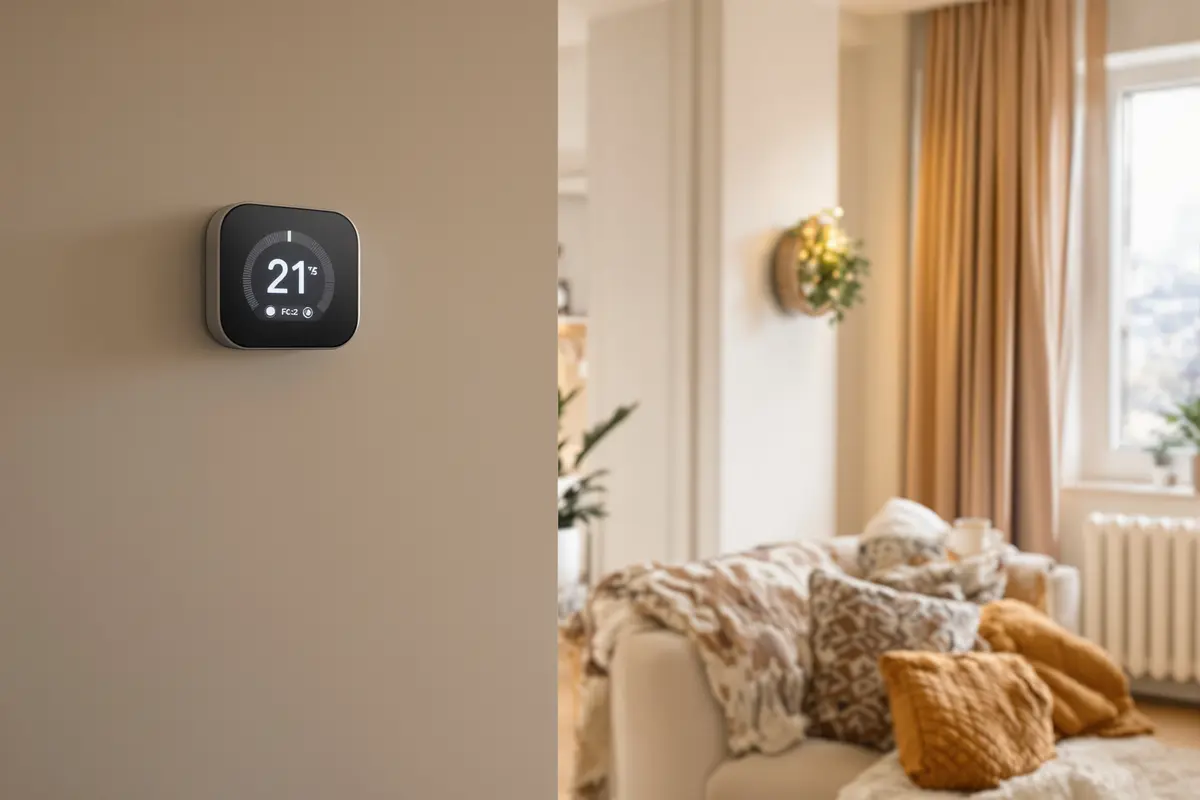
1. Turn the thermostat down by just one degree
This may sound too easy, but it’s surprisingly powerful. Lowering your thermostat by just 1°C (about 1.8°F) could cut your heating bill by up to 10% over the year. Most households won’t even feel the temperature change, especially if you’re wearing a jumper indoors.
Try setting your heating to 18–19°C instead of 20 or 21. You’ll still feel comfortable, and your wallet will thank you in the long run.
2. Use a timer instead of leaving heating on all day
Leaving the heating on 24/7 is one of the biggest energy wasters. Instead, use a programmable timer to schedule heating only when needed. For example:
- Morning: 6:30 am to 8:00 am
- Evening: 5:00 pm to 10:00 pm
This avoids overheating an empty house and uses energy only during peak usage times. Set it and forget it—your home will be warm when you need it most.
3. Bleed your radiators regularly
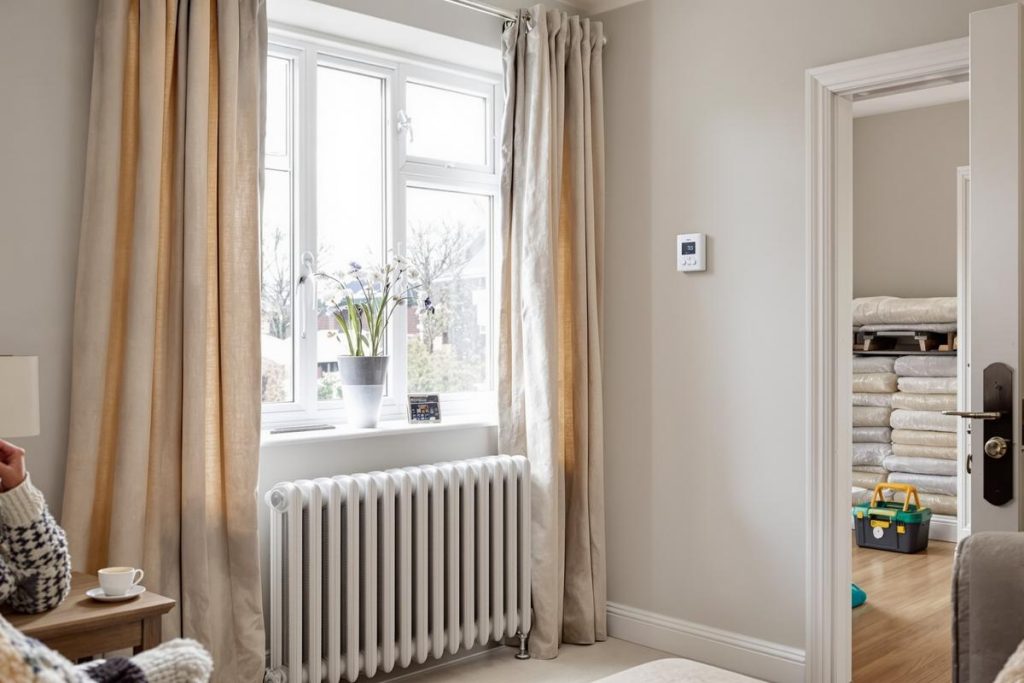
If your radiators feel cold at the top and hot at the bottom, they probably have trapped air. This reduces how well they heat a room and forces your boiler to work harder. The solution? Bleed your radiators.
It’s quick and free—just use a radiator key to release the excess air. Do this once every few months, especially before winter kicks in.
4. Stop heat escaping through windows and doors
Draughty doors and windows leak a shocking amount of warm air. Thankfully, fixing them is easy and inexpensive. Some options include:
- Draught excluders: Place these at the base of doors
- Self-adhesive foam tape: Seal small window gaps
- Thick curtains: Help trap heat at night
Even simple steps like keeping doors closed between rooms can help keep the heat where you need it.
5. Use smarter heat zones
Don’t heat rooms you’re not using. That might sound obvious, but a lot of homes still keep every room toasty—even the guest bedroom that no one touches.
If you’ve got radiator valves, turn them down or off in rarely used rooms. Focus your heating on main areas like the living room and bedrooms. It’s more efficient and keeps your energy use in check.
6. Upgrade insulation where it matters most
Insulation is one of the biggest long-term ways to cut heating costs. If heat’s rushing out through your loft or walls, your boiler keeps burning money to replace it. Here’s what to look at first:
- Loft insulation: Adding or topping up can save £150–£200 a year
- Cavity wall insulation: Ideal for homes built after 1920s
- Pipes and tanks: Insulate with lagging from DIY stores
Some UK households may qualify for free or discounted insulation through government schemes, so check if you’re eligible.
7. Get your boiler serviced yearly
An old or poorly maintained boiler eats up energy. If your radiators take forever to warm or you’re hearing strange noises, it might be time for a check-up. A yearly boiler service keeps it working efficiently and can also spot small problems before they get expensive.
If your boiler is over 15 years old, consider switching to an energy-efficient model. It’s a bigger upfront cost, but savings can be significant—up to £315 per year according to the Energy Saving Trust.
Put it all together—what’s the impact?
Each tip might save a few pounds a week. But together, they add up. Here’s what you could save:
- Lower thermostat: up to £100/year
- Better insulation: £150–£300/year
- Draught-proofing: £30–£50/year
- Radiator bleeding & zoning: £40–£70/year
- Smarter boiler use: £100–£300/year
That’s potentially £400–£800 saved each year, just by being a bit more mindful. Better comfort, lower bills, and a warmer home—it all starts with a few smart changes today.