Feeling chilly and worried about rising energy bills? You’re not alone. With colder months around the corner, many UK households are searching for smart ways to keep warm without breaking the bank. Luckily, energy experts have shared practical tips that can make a real difference.
1. Bleed your radiators
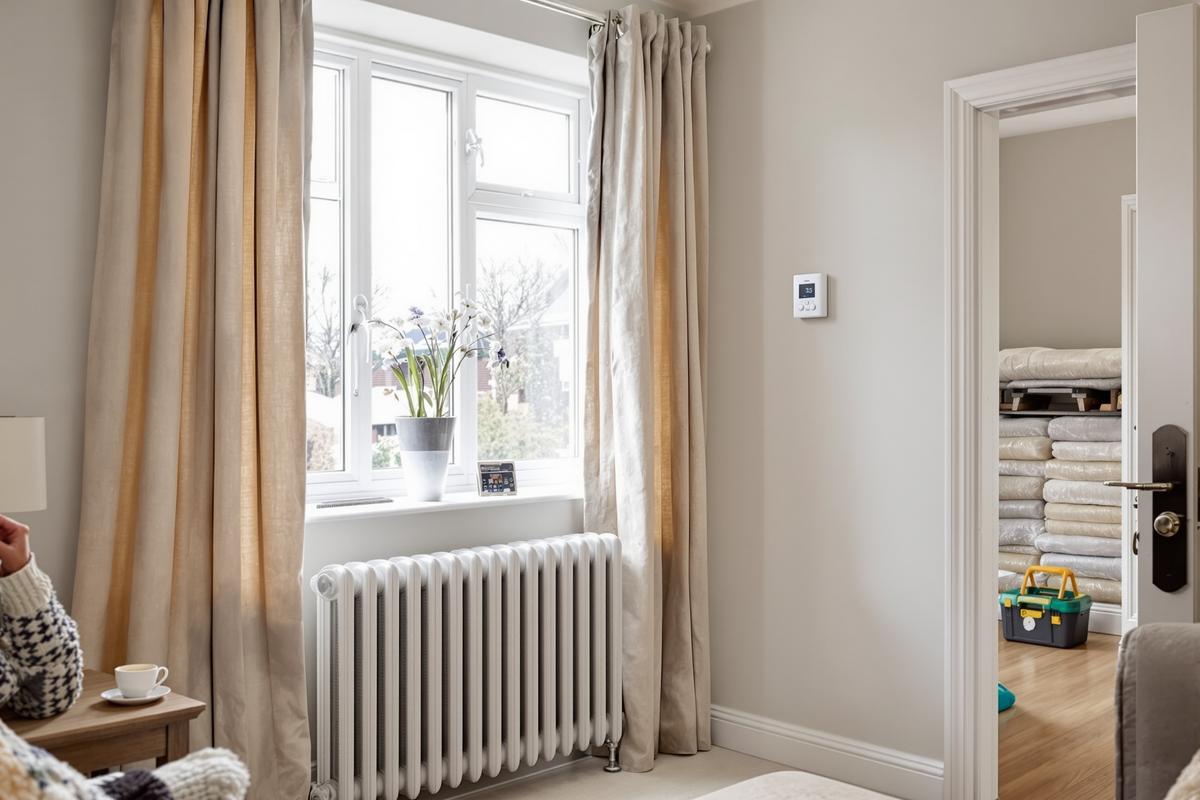
If your radiators aren’t heating up evenly, trapped air might be the culprit. Bleeding your radiators can fix this fast. Simply use a radiator key to release the air—start with the ones furthest from your boiler. You’ll hear a hiss, then a steady stream of water. That’s your sign to tighten it back up.
Tip: Do this at the start of the heating season to improve efficiency and ensure your rooms warm up quicker.
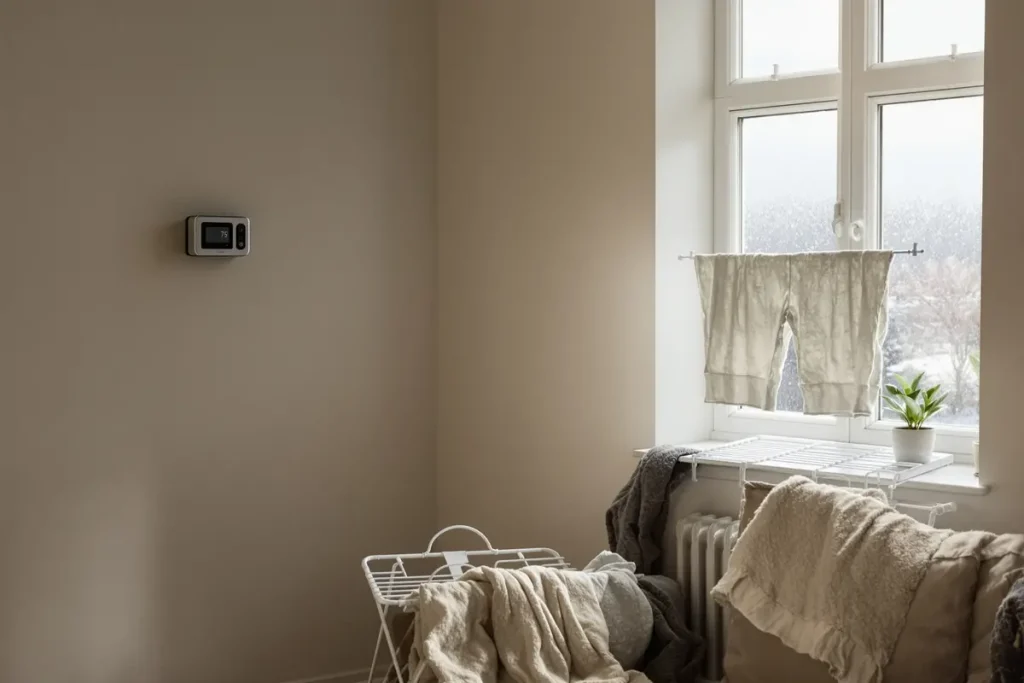
2. Lower your thermostat by 1°C
This might seem small, but it can save you serious money. According to the Energy Saving Trust, lowering your thermostat by just 1°C can reduce your heating bill by up to £100 per year.
Try setting your thermostat to 18–19°C instead of 20–21°C. You’ll likely still feel comfortable—and your wallet will thank you.
3. Use thermostatic radiator valves (TRVs)
TRVs let you adjust the temperature of individual radiators, so you can heat only the rooms you’re using. They’re cheap to buy and easy to install, even in older homes. Set unused rooms to a lower setting to save energy without losing comfort where it matters.
4. Add thick curtains or thermal blinds
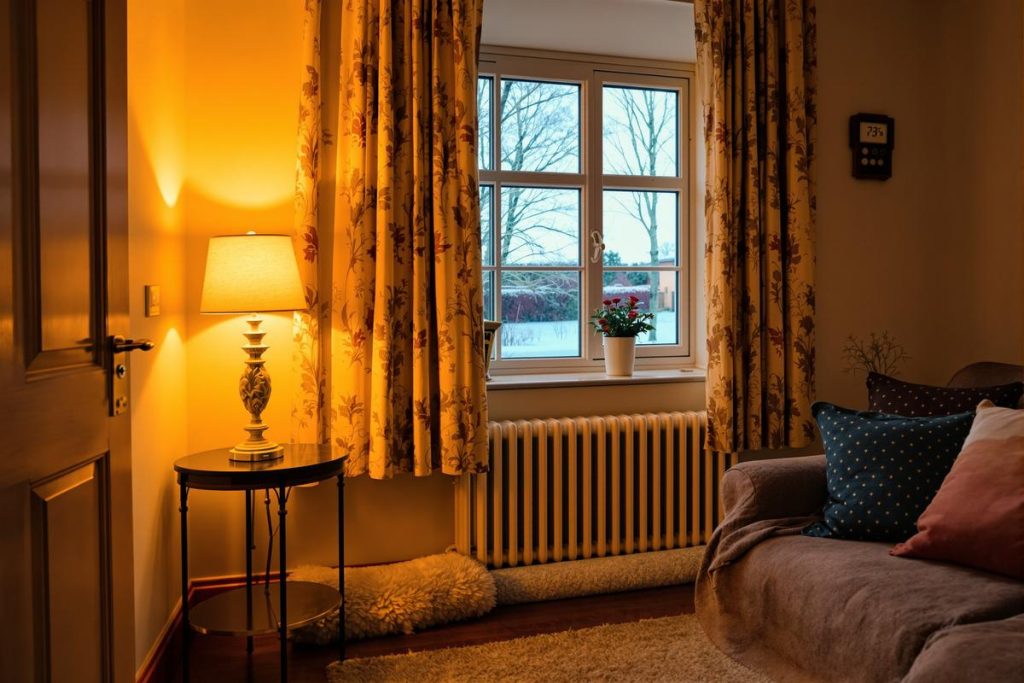
Windows can be a major source of heat loss. Installing heavy curtains or thermal blinds will help trap warmth inside—especially at night.
- Close curtains by sunset to keep in the heat
- Open them in the morning to let sunlight naturally warm your space
A small change in your routine can lead to big savings over time.
5. Block draughts at key points
Even small gaps around doors and windows can cause chilly breezes and wasted energy. Sealing these gaps is one of the fastest and cheapest ways to boost home warmth.
- Use draught excluders under doors
- Seal gaps with adhesive foam strips or silicone sealants
- Don’t forget your letterbox and keyhole too
6. Keep internal doors closed
This might sound simple, but keeping doors shut helps contain heat in the rooms you’re using. It’s particularly effective if you’re only heating part of your home during the day or evening.
Bonus tip: Place rolled towels or draught blockers at the base of doors to prevent heat escape even more.
7. Schedule your heating wisely
Set your heating to come on 30 minutes before you wake up and switch off after you go to bed. Most combi boilers heat up quickly, so there’s no need to run the heating for hours on end.
Use a programmable thermostat or smart heating system to fine-tune your schedule. This way, you’re not heating an empty home.
8. Don’t block your radiators
Large furniture like sofas or wardrobes can trap heat and prevent it from circulating properly. If a radiator is blocked, that area will struggle to warm up regardless of how high your thermostat is set.
Make sure there’s at least 30cm of space in front of each radiator. Your room will heat faster and more evenly.
9. Insulate your loft and walls
This one’s more of an investment, but it pays off in the long run. Uninsulated homes lose up to 25% of their heat through the roof and 35% through walls.
- Loft insulation should be at least 270mm thick
- Cavity wall insulation can reduce heat loss significantly
Check with your local council—some offer grants or discounts.
10. Upgrade to a smart thermostat
Smart thermostats learn your routines and adjust heating automatically. Some even detect when you’re away and turn down the heat.
Popular brands like Nest, Hive, and Tado offer models with remote control, temperature zoning, and energy reports. While initial costs start around £150–£250, the long-term savings can make it worthwhile.
Wrapping up
Staying warm this winter doesn’t have to mean sky-high energy bills. With just a few changes—like insulating, sealing gaps, and using smart tech—you can keep cosy and save money.
Try a few of these tips today. Even small steps can lead to lasting comfort and real savings over winter.