For years, 19 °C was the poster child of energy-saving. The smart, responsible choice. But this winter, experts are walking that back. If you’re still shivering under a blanket at 19 °C, you’re not imagining it. Science is finally catching up with what your body’s been trying to say for ages: you might need more warmth than the old advice allowed.
Why 19 °C no longer feels “just right”
For a long time, keeping your home at 19 °C felt like a moral decision. Government guidance, energy-saving campaigns, even coffee break conversations—it was a figure people wore like a badge of honour. But that number wasn’t one-size-fits-all. It was based on averages, not actual comfort.
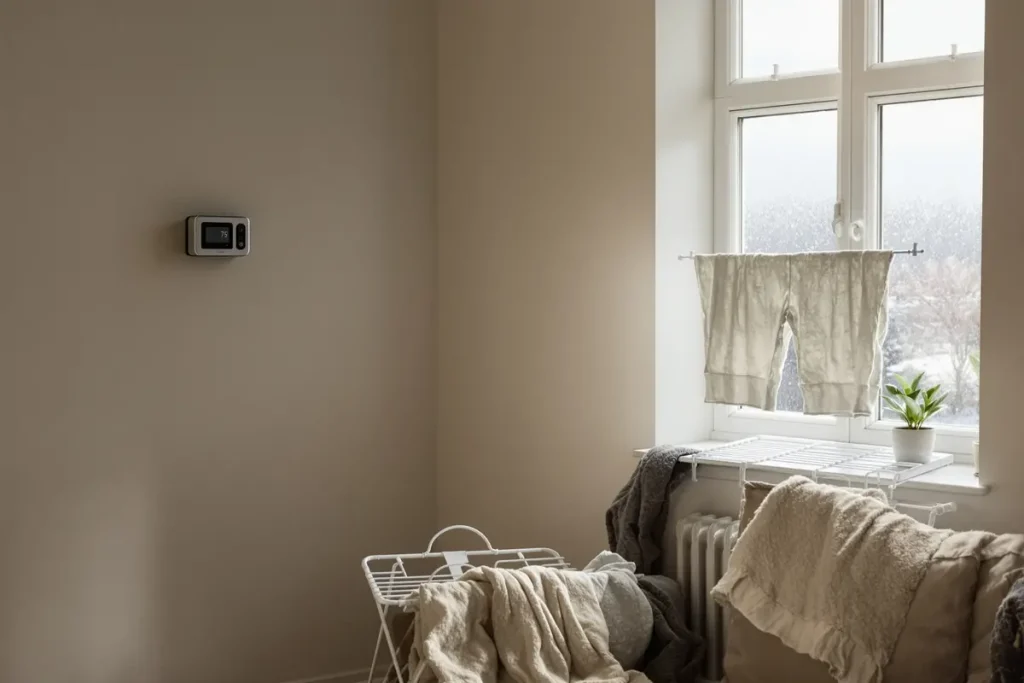
Recent studies highlight a key truth: perceived warmth isn’t just about the thermostat reading. In poorly insulated homes, a room marked at 19 °C on the dial might feel closer to 17 °C on your skin. Older homes with drafty windows and thin walls tend to lose heat fast, leaving you feeling colder than expected.
Health reports began to pile up too. Across the UK, France, and Germany, people trying to stick to 19 °C reported more fatigue, joint pain, and respiratory issues. In other words, saving energy was often coming at the cost of wellbeing.
The new comfort zone: 20 – 21 °C
So what do the latest experts suggest? It’s surprisingly simple:
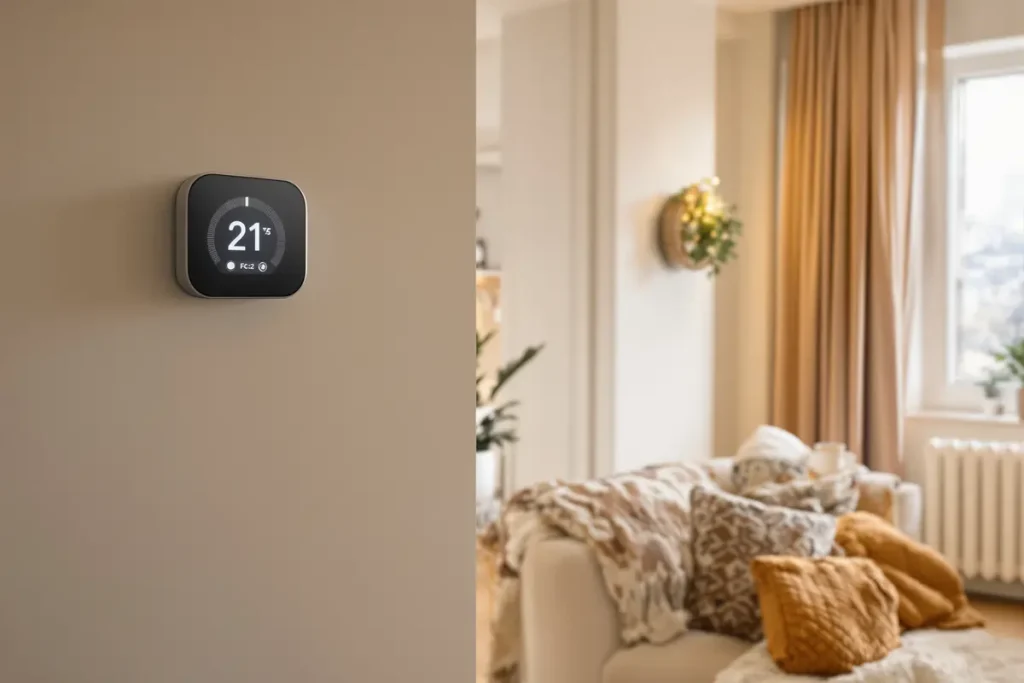
- Keep main living spaces between 20 °C and 21 °C
- Let less-used rooms stay cooler—around 17 °C to 18 °C
This new approach focuses on zonal heating, or what some call “zonal comfort.” Rather than heating every space equally, concentrate warmth where life actually happens—your living room, home office, or kids’ bedrooms. Hallways, guest rooms, and storage areas? They don’t need to feel like springtime.
For example, experts now recommend:
- Living room: 20.5 °C during active hours
- Bedroom (adults): 17–19 °C at night
- Bedroom (babies/elderly): 20–21 °C
- Bathroom: Warm when in use, not heated full-time
Can you afford to raise the heat?
Yes—and probably more easily than you think. Heating adds about 6–10% more to your bill for every additional degree. But dialing up your living room doesn’t have to mean bigger bills across the board.
By lowering the heat in less essential spaces and setting smart schedules, energy experts say you can stay comfortable without major cost hikes. A moderate bump—say from 19 °C to 20.5 °C—only raises energy use slightly, and often that extra expense is cancelled out by cutting heat in places that don’t need it 24/7.
Smarter heating methods that don’t cost comfort
Here’s how to warm your home wisely without feeling guilty:
- Pick a “core zone”: Focus on one main area like the living room. That’s where you aim for 20–21 °C comfort.
- Use timed heating schedules: Set your heating to warm up the space when it’s actually in use—mornings, evenings, and wind-down hours.
- Install thermostatic valves: These allow fine-tuning radiator temperatures room by room, so bedrooms can stay a little cooler while your comfort zone stays cozy.
- Add layers (to your room and yourself): Heavy curtains, rugs, and door draft stoppers help retain heat. And yes—warm socks and a chunky jumper still count!
- Watch for dampness: Too-cold rooms often develop condensation and mold. If you’re seeing foggy windows or musty smells, your space may already be too cold.
When comfort isn’t just physical
One overlooked factor in home heating? Feelings.
Cold can make people irritable, anxious or even feel unsafe at home. It’s not just about skin temperature—it impacts your ability to relax, focus, or fall asleep. That’s why experts now say “comfort” means both warmth and peace of mind.
So if your child is sick, or you’re hosting elderly parents, raising the temp for a few hours isn’t wasteful—it’s wise. You’re not blowing your budget; you’re protecting your health and harmony at home.
A more human heating standard
We no longer live in an age where a single figure can apply to every home. Between insulation differences, household needs, and personal comfort levels, 20–21 °C is now the sensible new normal for many households.
Sure, if you’re living solo and wearing three jumpers, maybe 18.5 °C works for you. But if you have a family, medical concerns, or drafty walls, heating up your living room to 21 °C doesn’t make you irresponsible—it makes you realistic.
Think of this winter as the moment we finally shift from slogans to sense. From guilt to balance. Your comfort has value, and your energy use can still be smart. It’s no longer about hitting the lowest number. It’s about feeling okay in the space you call home.