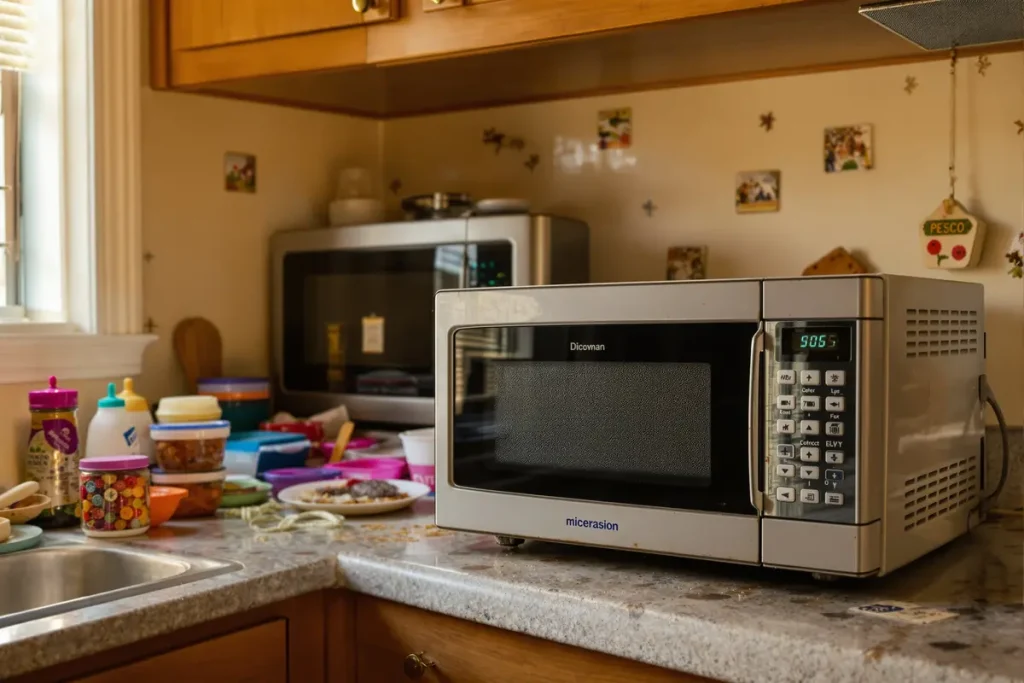
Is your old microwave still humming away in the corner of your kitchen? It may feel familiar and dependable, like an old friend. But what if that sense of comfort is quietly costing you time, money, and even a sense of progress? It might be more than just an outdated appliance—it might be holding you back.
When “It Still Works” Isn’t Good Enough
We’re used to defending older appliances with a simple phrase: “If it ain’t broke, don’t fix it.” But let’s take a closer look. A microwave that barely rotates properly, with mismatched hot and cold spots on your plate, isn’t exactly “working” in the true sense. It’s surviving—not thriving. Just like you might be doing around it.
Here’s what old microwaves often bring with them:
- Inefficient energy use, leading to higher electricity bills
- Uneven heating—burnt edges and cold centers in the same dish
- Longer cook times that drag out your routine
- Outdated safety standards or aging components that may no longer be reliable
Modern versions? They heat smarter, faster, and more evenly—often with built-in sensors and better insulation. Replacing your microwave might sound like a luxury, but it could actually be a time-saving, energy-saving upgrade you truly need.
What Your Old Microwave Might Really Represent
Old appliances are more than wires and buttons. They carry stories. Maybe that microwave followed you from your first apartment, or warmed bottles during sleepless nights with a newborn. Letting it go might not feel like getting rid of a cooking tool—it might feel like tearing out a piece of your life.
But here’s the truth: the memories you cherish aren’t stored in that machine. They’re stored in you. When you keep a broken or outdated tool just to cling to a moment that’s passed, you risk trapping yourself in an earlier version of your life.
And deep down, many of us fear what comes with change. We don’t want to look around and feel like life’s moving faster than we are. So we hold onto the familiar—even if it no longer fits us.
Why Replacing That Microwave Isn’t Shallow. It’s Smart.
Upgrading an appliance doesn’t mean you’ve lost your values or turned into someone wasteful. In fact, you can make the shift thoughtfully and meaningfully.
- Say goodbye with intention: Snap a quick photo, share a funny memory, or write a note about the day you first bought it.
- Transfer the meaning to something else: Keep a fridge magnet or handwritten recipe linked to those times.
- Choose a new model based on your life today: Not what you needed 10 or 20 years ago.
Look for a machine that fits your daily rhythm:
- For families: Bigger capacity and quick, intuitive buttons
- For singles: Compact size and strong energy efficiency
- For light use: Reliable basics, not bells and whistles
If the new tech feels overwhelming, focus on what matters most: how fast and evenly it heats, how much energy it uses, and whether the controls make sense to you.
That Appliance Isn’t Just a Box—It’s a Mirror
Still defending that microwave even if it’s a hassle to use? That might be your clue. You could be doing the same in other parts of your life. Are there routines, tools, or even relationships that no longer help you, but feel too tangled with your past to let go?
This type of change ripples outward. Letting go of one outdated item might make it easier to release old habits that no longer serve you. It’s not about chasing every new trend. It’s about honoring your past while tuning in to who you are today.
How to Know When It’s Time to Move On
Wondering if you really need to replace your microwave? Ask yourself these simple questions:
- Does it regularly heat unevenly or run too long?
- Do you avoid certain settings because they act up?
- Does it make strange smells or noises when it’s running?
- Do you often wish you had one that’s quieter, faster, or easier to use?
If the answer is yes to any of these, it’s probably time. And here’s the surprise—the difference in your daily routine will be immediate. Something as simple as reheating leftovers can feel smoother, easier, maybe even a little joyful.
Final Thought: You’re Not “That Kind of Person”
This isn’t about throwing out everything with a scratch. It’s about learning to recognize when a tool is no longer serving you. Upgrading can be a moment of self-respect, not indulgence. It says: “I deserve ease in my everyday.”
So the next time you hold onto something just because it still turns on, ask yourself: is keeping it helping you stay grounded—or is it just keeping you stuck?