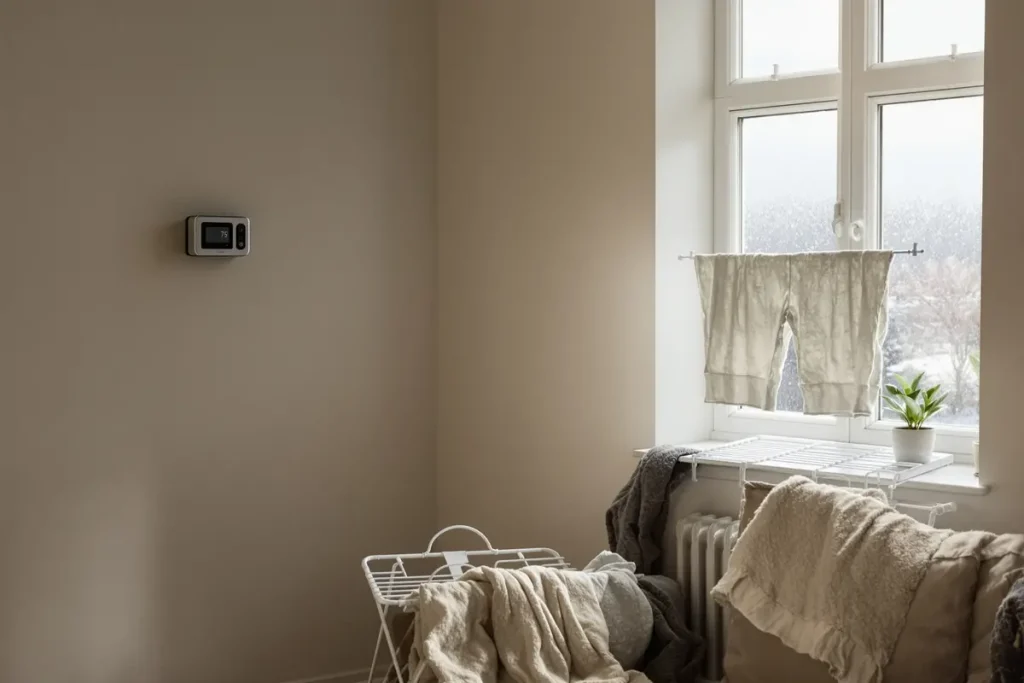
It’s the middle of winter. You’re bundled up, the house is clean, and somehow… it still smells weird. That dull, closed-up scent shows up like clockwork, even when you’ve just finished scrubbing every surface. The real reason? It’s probably not your pets, your floors, or that mystery box under the sink. It’s your ventilation—and nearly everyone gets it wrong this time of year.
Why clean homes still smell stale in winter
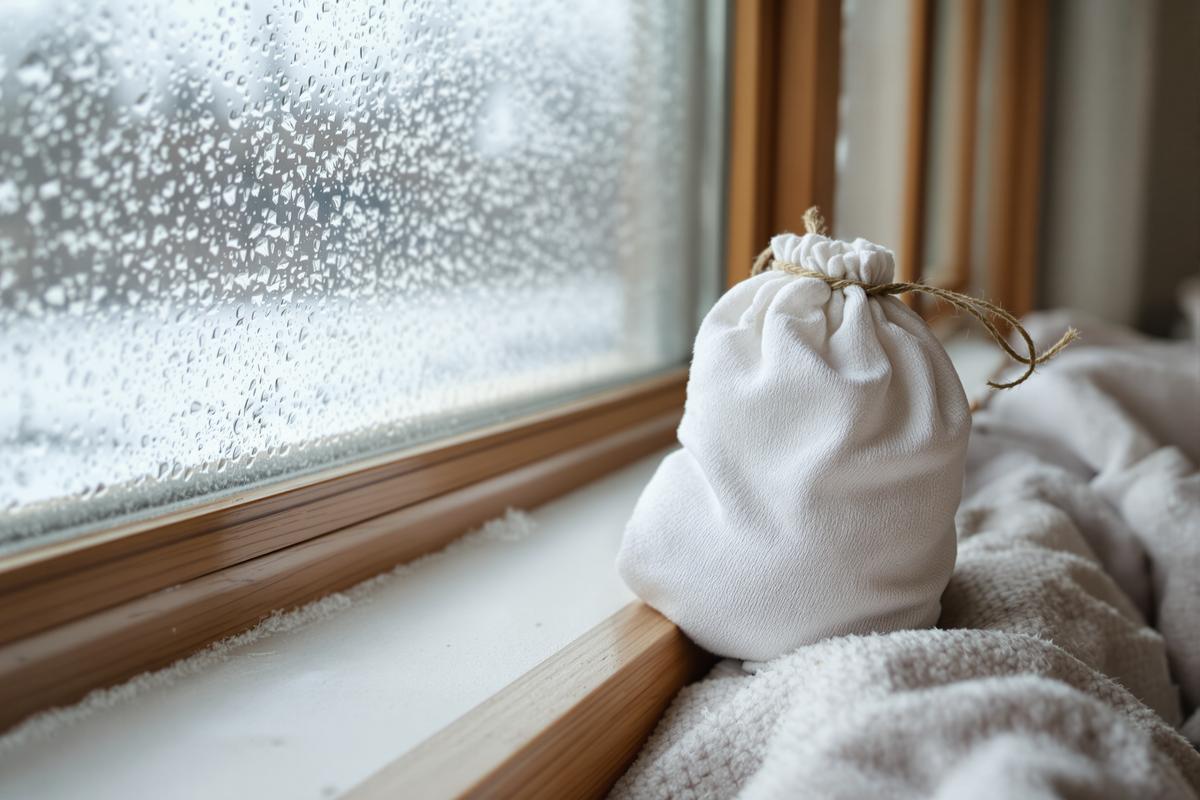
Ever notice that your house feels stuffy in January, even when it’s spotless? That’s not your imagination. It happens because during winter, we seal ourselves inside. We shut windows, ramp up the heat, dry clothes indoors, and forget about airflow. And all those everyday activities—cooking, showering, even sleeping—release tiny particles and moisture into the air.
Without a clear path to escape, those odors and water droplets just hang around. In warmer seasons, open windows let them drift out. But in the cold months? Everything lingers.
One UK study revealed that indoor air can be up to five times more polluted than outdoor air—even in urban areas. And in winter, the gap gets worse because fewer people air out their homes. The result? You’re living in a sealed jar, not a fresh, breathable space.
The invisible mistake almost everyone makes
When it starts to smell stale, most people open a window for five minutes and slam it shut once the cold hits. But that’s not really enough. What your home needs is slow, steady ventilation.
This doesn’t mean throwing wide-open windows all day. It means smarter, smaller steps that quietly work in the background. Here’s how:
- Use trickle vents: Found at the top of modern windows, these small vents allow a continuous stream of fresh air without a full draft.
- Run fans longer: Leave your bathroom and kitchen fans running for 15–20 minutes after showers or cooking.
- Try cross-ventilation: Open two windows on opposite sides of your home just a crack, for 5–10 minutes. It creates a fast air exchange without cooling the entire house.
- Dry clothes in one room with a slightly open window, rather than spreading them through your home.
- Watch indoor humidity: Keep it between 40–60%. Too much moisture helps odors cling to fabrics and surfaces.
The cost vs. comfort myth: will you freeze or go broke?
Many avoid airing out their homes in winter because they’re worried about losing heat or wasting money. But here’s the twist: letting in a bit of fresh, dry air can actually make your home feel warmer. How?
Moist air feels colder. It’s heavier and creates that damp sensation. By reducing indoor humidity with short bursts of fresh air, the same thermostat setting can feel more comfortable. Plus, warm surfaces—like walls, floors, and furniture—quickly bounce back after a 10-minute air swap.
Fresh air = a fresher, calmer mind
You might not notice stale air the same way you notice clutter, but your brain does. A stuffy room can make you feel more tired, sluggish, or even irritable. Bringing in fresh air changes the energy of your space. It delivers a subtle sense of movement and life—even on dark winter afternoons.
Think of your home like your lungs. You don’t take one deep breath in the morning and hold it all day. You breathe in and out, slowly and constantly. That rhythm is what keeps both you and your space feeling fresh.
Real steps to a better-smelling home this winter
You don’t need gadgets or fancy sprays. You just need a smarter routine. Try this weekly strategy and you’ll notice the change in days:
- Daily: Use kitchen and bathroom fans during and after use
- 3–4 times a week: Open two windows slightly for 10 minutes for quick air exchange
- Weekly: Check and make sure trickle vents and extractor fans are actually open and working
- As needed: Dry clothes in a well-ventilated room, keep doors slightly open during drying
Final thought: Your home should smell like “you”—not last week’s dinner
Every person’s home has a scent. That’s normal—and even comforting. But there’s a line between “lived-in” and “musty.” By adding ventilation into your winter cleaning routine, you keep your space clear, breathable, and welcoming without turning it into a wind tunnel.
Fresh air doesn’t just smell good. It feels better. It lifts your mood, improves your energy, and reminds you there’s movement and change—even in the middle of a cold, gray month. Once you get used to that clean winter breath in your home, you won’t want to go back.