Waking up to find your windows completely fogged makes getting ready a chore—and driving even worse. That layer of mist can pop up like clockwork on chilly mornings, leaving you squinting through hazy glass. But what if you could stop it before it starts?
This isn’t just about convenience. Fogged-up windows can lead to hidden moisture issues, safety hazards on the road, and even mold in your home. Let’s break down what causes it, how to prevent it, and the simple tricks that actually work.
Why do windows fog up on cold mornings?
It all comes down to moisture and temperature differences. When warm, moist air inside your home (or car) hits the cold surface of a window, the air cools quickly and can’t hold as much moisture. The extra water turns into condensation—those little water droplets you see clinging to the glass.
Common sources of moisture indoors include:
- Showers, cooking, and laundry
- Breathing and sweating (yes, really)
- Leaky windows or poor ventilation
In cars, moisture from rainy shoes, damp floor mats, or even your breath builds up fast in a closed space overnight.
Why you shouldn’t ignore the fog
It might seem like a small issue, but letting fog sit or dealing with it every day can cause trouble:
- Reduced visibility while driving = a serious safety risk
- Excess moisture in your home can damage window seals and promote mold
- Constant wiping can leave streaks or scratches on your glass
Taking a few minutes now to fix the cause will save you a lot of time—and headaches—later.
How to stop your home windows from fogging up
If you’re waking up to fog on the inside of your windows, try these simple yet powerful fixes:
1. Use a dehumidifier
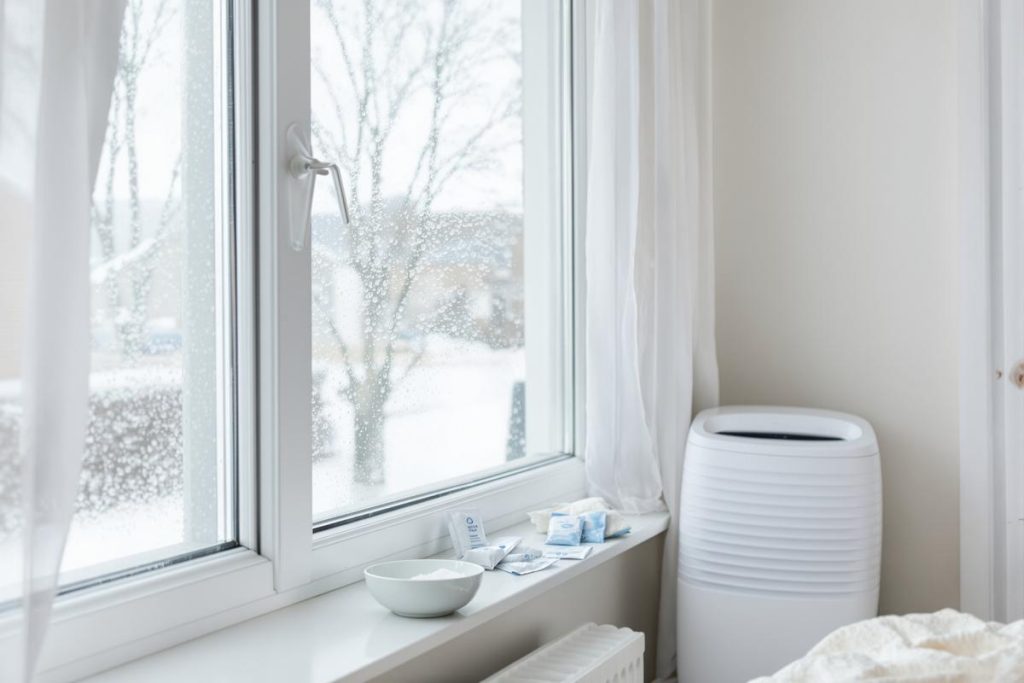
A mini dehumidifier (starting around $30) can make a big difference in bedrooms or small spaces. It pulls moisture from the air, reducing the chance of condensation forming on the glass.
2. Keep interior doors open
This improves air flow, especially when the heating is on. Better circulation helps moisture distribute more evenly, so it doesn’t gather near the windows.
3. Install weather stripping
If cold air is seeping in, your windows will stay icy and act like magnets for moisture. Add insulated foam strips or sealant tape around the frames. It’s cheap, easy, and surprisingly effective.
4. Use moisture absorbers
Place a bowl of baking soda, kitty litter, or silica gel packs on the windowsill overnight—they act like little humidity traps.
5. Upgrade your insulation
If you’ve got single-pane windows or old frames, switching to double-glazed or storm windows drastically cuts down condensation. It’s an investment, but it can save energy and reduce window fog forever.
Quick solutions for car windows
Catching a foggy car window in the morning rush can throw off your entire day. Here’s how to handle it fast—and stop it from coming back.
1. Let your car breathe
Leave a window cracked slightly overnight if it’s safe. This allows wet air to escape instead of building up.
2. Absorb excess moisture
- Fill a sock with kitty litter and tie it shut—place it on your dashboard
- Use silica gel packs under your seats
These act like mini dehumidifiers for your car.
3. Use the defroster the right way
Turn on the heat and AC together—yes, both. The AC dries the air even when it’s cold. Make sure air is flowing to the windshield and crack open a window.
4. Clean your windows thoroughly
Dirt and grime give water droplets something to cling to. Wipe the inside of your windshield with glass cleaner and newspaper. You’ll be surprised how much clearer everything looks—and stays.
Extra tips you might not know
- Shaving cream on a cloth wiped across the inside of a car window can create an invisible barrier that resists fog
- A humidistat in your home can show you when humidity creeps too high—aim for 30 to 50%
- Houseplants can slowly raise indoor humidity, so move them away from windows during colder months
Stop fog before it starts
Foggy windows aren’t just annoying—they’re a sign that something in your environment is off. With a few smart tweaks, you can prevent that moisture buildup and start every morning on a clearer note.
Whether you’re keeping your home dry or making your commute safer, the solutions are often quick, affordable, and easy enough to start today. Try one or two tonight—and see what a difference clear windows can make in the morning.