Every month, your energy bill shows up and it’s always a bit more than you expected. Sound familiar? The good news is, you don’t need to invest thousands in a solar panel upgrade or build a new eco-home. Just a few smart tweaks around the house can help you cut your energy use—and your bill—by as much as 30%.
Start with smart lighting choices
Lighting is one of the easiest areas to upgrade—and the changes can be quick and cheap.
- Swap old bulbs for LEDs: LED bulbs use up to 80% less energy than traditional bulbs and last much longer.
- Use natural light: Keep curtains open during the day to reduce the need for lamps and overhead lights.
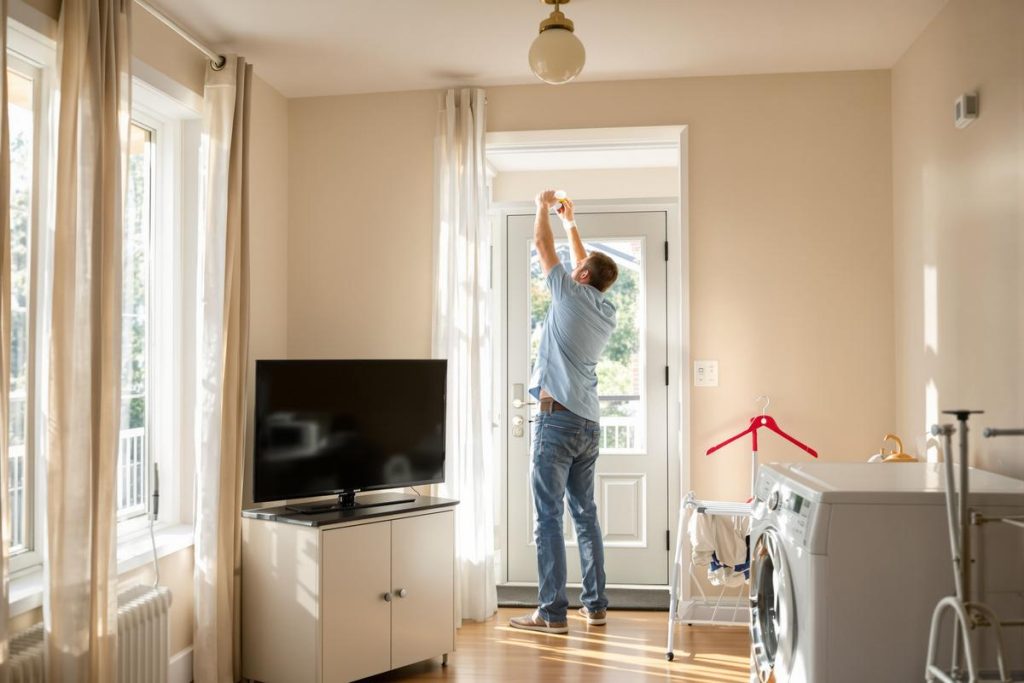
- Install motion sensors: In rarely used rooms like the pantry or basement, motion sensors make sure lights aren’t left on unnecessarily.
Changing just a few bulbs can save you more than $100 a year. Not bad for something you can do in an afternoon.
Seal the leaks—your home is probably leaking money
Air leaks around doors and windows can make your heating or cooling system work harder than it should. And that means a bigger bill.
To fix this:
- Check for drafts by holding a lit incense stick near window edges and baseboards. If the smoke wavers, there’s a leak.
- Use weather stripping on doors and caulking around windows to block out drafts.
- Install door sweeps to stop heat or cold air from slipping under doors, especially those leading outside.
Sealing leaks can save the average homeowner 10% to 20% on heating and cooling alone. And once it’s done, you don’t have to think about it again for years.
Adjust your thermostat behavior
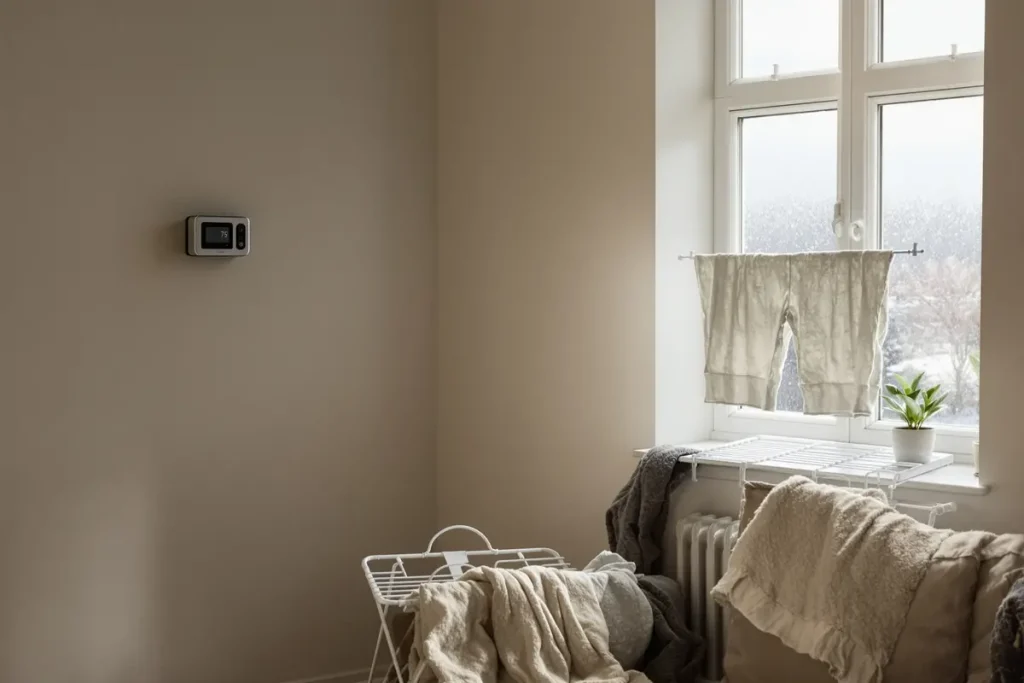
We all love staying warm in winter and cool in summer—but small temp changes can make a big dent in your bill.
- Set your thermostat to 68°F in winter when you’re home-and-awake; lower it when sleeping or away.
- In summer, aim for 78°F when home. Turn it up when you’re out.
- Use a programmable thermostat: It’ll handle those settings for you based on your schedule.
Want the numbers? Your energy bill drops about 1% for each degree you lower your thermostat during winter heating. Over time, that can really add up.
Upgrade to energy-efficient appliances
Old appliances are silent energy guzzlers. Swapping them out might seem expensive, but the long-term savings quickly catch up.
- Look for the Energy Star label: These appliances meet government energy-efficiency standards.
- Focus on the big ones: Your fridge, washer, and HVAC system are your top energy users.
- Use smart plugs or timers to reduce “phantom” energy use from things like microwaves or coffee makers.
An Energy Star refrigerator, for example, can use 15% less energy than standard models. Over a year, that shaving alone keeps your bill down—and your carbon footprint smaller.
Change how you do laundry
The laundry room might not look like a money pit, but it can be. Here’s how to turn it into a savings zone.
- Wash clothes in cold water: Heating water accounts for nearly 90% of a washer’s energy use.
- Dry full loads, not small batches, to use the dryer efficiently.
- Hang clothes to dry when possible. It’s gentler on clothes and free!
Washing just four loads a week in cold instead of hot water can save about $60 annually. That’s without changing your detergent or your schedule.
Unplug what you’re not using
Even when they’re off, many devices still pull electricity. It’s called phantom load, and it could be costing you a surprising amount every year.
- Unplug phone chargers when not in use—they draw power even when nothing’s connected.
- Use a power strip for your TV setup or home office. Flip it off when you’re done.
- Shut down big electronics like computers or game consoles overnight instead of leaving them in sleep mode.
Between all your appliances and devices, tackling phantom energy could save you $50 to $100 per year.
Make your home work smarter, not harder
When you combine these small changes, the savings snowball. Each little fix you make adds up—sometimes in ways you won’t even notice.
There’s no need to wait for a full remodel. With just a few hours, under $100 in supplies, and a bit of follow-through, you can take control of your energy use and lower your monthly bills in a real, lasting way.
Ready to see those numbers drop? The best part is, these simple changes aren’t just about saving money—they also make your home more comfortable, efficient, and eco-friendly.