Mould in the bathroom is more than just an eyesore. It can make your space smell musty and even trigger allergies. But what if you could wipe it away in just a few minutes—with something you already have at home?
This fast, easy cleaning tip could change how you deal with bathroom mould forever. No scrubbing for hours. No harsh chemicals. Just real results, real fast.
Why does mould grow in the bathroom?
Bathrooms are the perfect environment for mould. They stay warm and damp. Poor ventilation just makes the problem worse. Steam from showers and baths lingers in the air, settling on walls and ceilings. That moisture feeds mould, especially in corners and along tile grout.
Even if you clean regularly, mould can still sneak in. That’s why knowing the right trick to remove it fast is a game changer.
The simple mould-busting solution
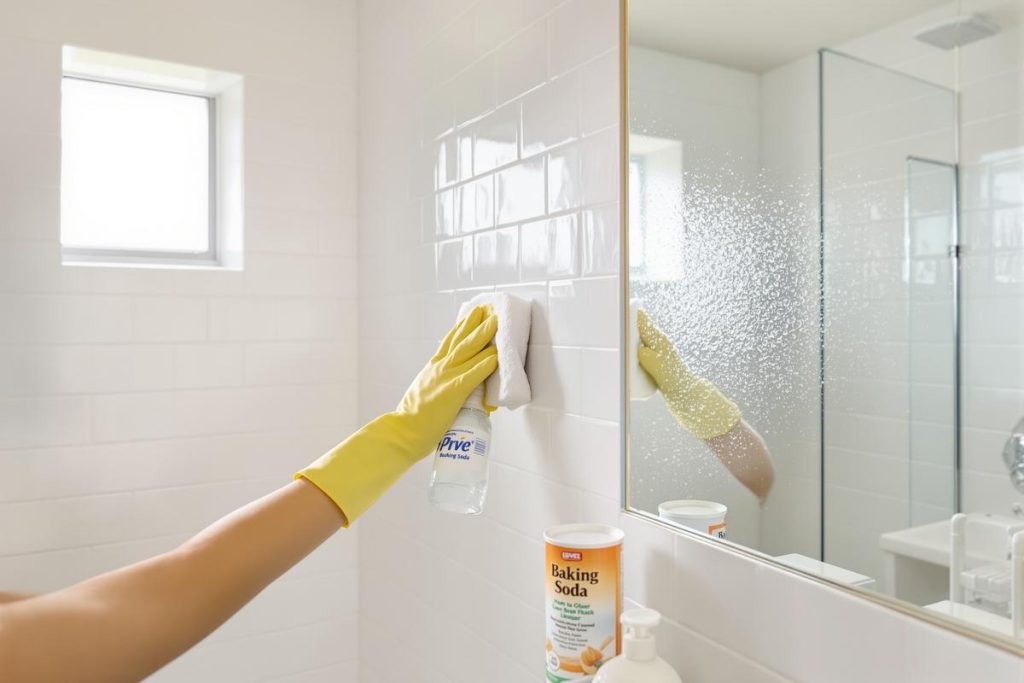
Here’s the secret weapon: white vinegar and baking soda. These two pantry staples pack a powerful punch. They kill mould, remove stains, and won’t damage your paint or tiles.
Here’s what you’ll need:
- 1 cup white vinegar
- 2 tablespoons baking soda
- Spray bottle
- Soft sponge or cloth
- Old toothbrush (for tough corners)
- Gloves (optional but helpful)
Steps to clean bathroom mould fast
Step 1: Pour the white vinegar into the spray bottle. Don’t dilute it—straight vinegar works best.
Step 2: Spray the mouldy areas generously, making sure they’re soaked.
Step 3: Let the vinegar sit for 10 to 15 minutes. This is when it gets to work breaking down the mould.
Step 4: Sprinkle baking soda directly onto a damp sponge or cloth. Then scrub the same areas.
Step 5: Use an old toothbrush for tight spaces or stubborn spots.
Step 6: Wipe clean with warm water. Dry the area with a towel to prevent new mould from forming.
Tips to keep mould from coming back
Once you’ve cleaned it, the key is to keep it away for good. Here’s how to mould-proof your bathroom:
- Ventilate: Open a window, use an exhaust fan, or leave the door ajar after showers.
- Dry surfaces: Wipe down walls and tiles after bathing to remove extra moisture.
- Avoid clutter: Items like loofahs and bottles in corners can trap moisture.
- Use a squeegee: Run it across walls and glass after each shower.
- Run a dehumidifier: Especially if your bathroom has no windows.
Why vinegar works so well
Vinegar is mildly acidic, which makes it great at killing about 80% of mould species. It also helps remove that musty smell. Unlike bleach, it doesn’t just whiten the surface—it digs into porous walls and tackles mould at its roots.
Baking soda adds gentle scrubbing power and absorbs any smells. Together, they form a team that’s tough on mould and easy on your nose, skin, and bathroom surfaces.
When to call a pro
If mould covers a large area (more than 1 square meter), keeps coming back, or has a strong smell you can’t get rid of, it’s time to contact a professional. Hidden leaks or ventilation issues may be causing deeper problems.
Don’t let mould take over
It’s easy to ignore mould in the beginning. But it grows fast and can damage paint, ceilings, and grout. Thankfully, you don’t need a full remodel to handle it.
With just vinegar, baking soda, and a few minutes of your time, you can leave your bathroom fresh, clean, and mould-free. Try it once—and you might never go back to harsh sprays again.